Before we move on to the story, let’s warm up with a few fun questions about polyhedra. Read the sentence and say if it is True or False.
One day, in a park full of trees, flowers, and sculptures, I wandered curiously. I saw Eli perched on a branch and decided to approach her. I was always fascinated by shapes, and today, I had a question.
I said, ”Hello, Eli! I’m trying to understand something. What is a polyhedron? I’ve seen cubes, pyramids, and other shapes, but I want to learn more.”
Eli fluttered down with a smile, “Oh, polyhedra? Of course, I can help! A polyhedron is a three-dimensional shape with flat faces, like some parts of your body!”
“Me?” I asked, surprised.
“Yes, Riri! For example, your arm looks like a rectangular prism—it has flat surfaces, or faces. And that shape over there,” she pointed with her wing at a nearby sculpture, “is a square pyramid. It has a square base and four triangular faces.”
Fascinated, I examined the pyramid sculpture carefully. But then, I felt puzzled. “Eli, how do I know if something is a polyhedron or not? What if I can’t tell?”
Eli tilted her head thoughtfully, “That’s a great question, Riri. Let’s test your skills! Look around the park. Can you find something that is a polyhedron and something that is not? I’ll help if you need it.” I looked around, scanning the park for shapes. I spotted a picnic table and hesitated. “Is the table a polyhedron?” I asked.
Eli nodded, “Yes! The tabletop is a flat rectangle, and the legs are rectangular prisms. Good observation! Now, can you find something that isn’t a polyhedron?” I glanced around again and pointed at a fountain with a large ball on top. “What about that?”
Eli flapped her wings with excitement. “Exactly, Riri! That ball is a sphere, which is not a polyhedron because it doesn’t have flat faces—it’s completely round.” Suddenly, I noticed a cone-shaped sculpture.
“What about that cone? It’s not round like the ball, but it doesn’t have flat faces like the table either.” Eli smiled, “You’re absolutely right again, Riri! The cone has a curved surface and one flat face at its base, so it’s not a polyhedron either. You’re learning fast!”
Beaming with pride, I asked, “That’s so cool! How many kinds of polyhedra are there?” Eli chirped, “Oh, there are many! Some of the most special ones are called Platonic solids
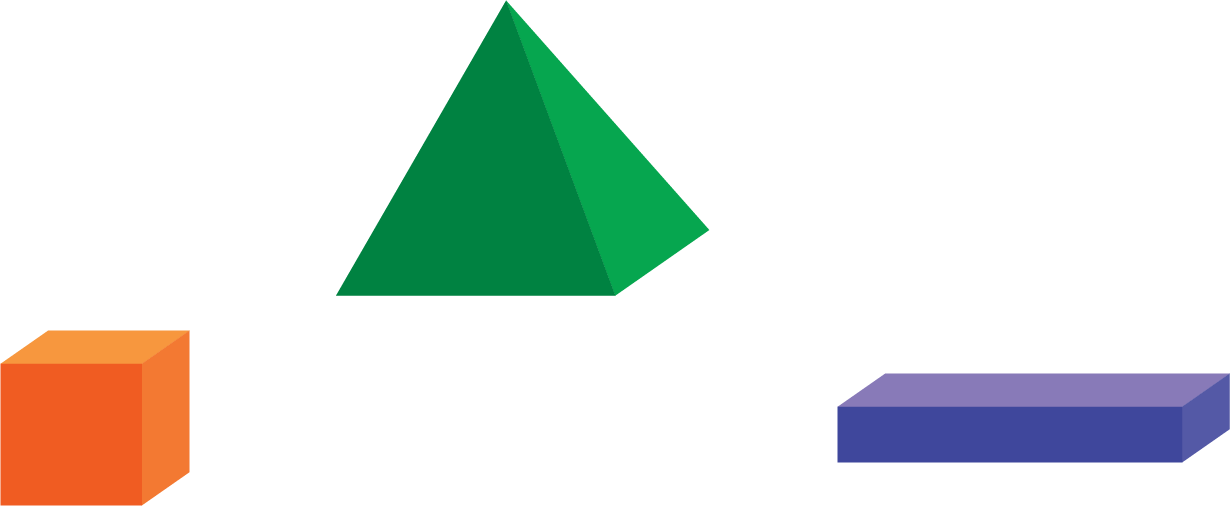
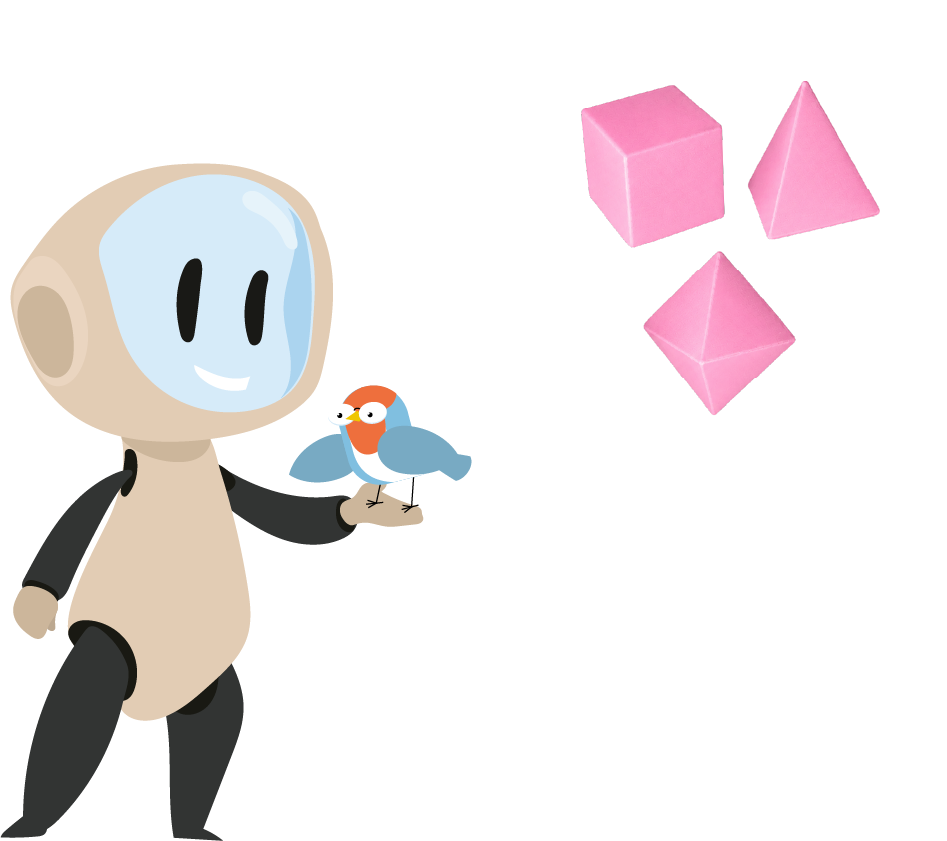
They are perfectly regular shapes. For example, the cube, tetrahedron, and octahedron all have faces that are identical!” I exclaimed, “Wow. So, these shapes are not just pretty but also very special.”
It was fascinating and I asked, “How interesting Eli! -What about shapes that are not polyhedral?” Eli said, “Oh, that’s something else that’s fun. For example, balls are round and are called spheres.
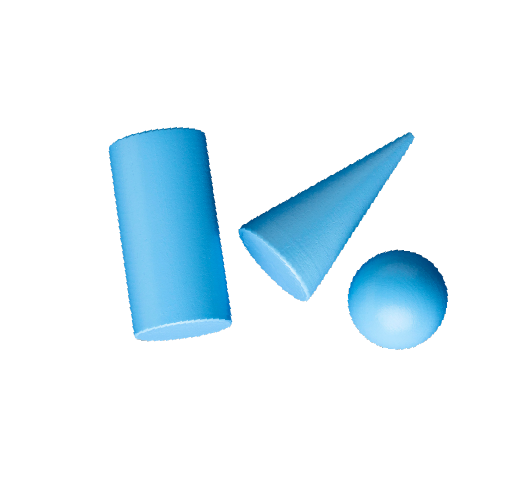
They are not polyhedral because they don’t have flat faces. There are also cones and cylinders – completely different shapes! Spheres are round and smooth, so they don’t have flat faces. Cones and cylinders are also different—they have curved surfaces.
I looked around the park, marveling at the variety of shapes. “So, the world is full of shapes, each with its own unique story?” Eli nodded. “Absolutely! Shapes are everywhere, and they’re all fascinating in their own way.” I smiled at Eli. “Thank you for teaching me, Eli. Shapes really are amazing!”
Now that we’ve read the adventure, read each sentence and say if it is True or False.