The Volume Explorers

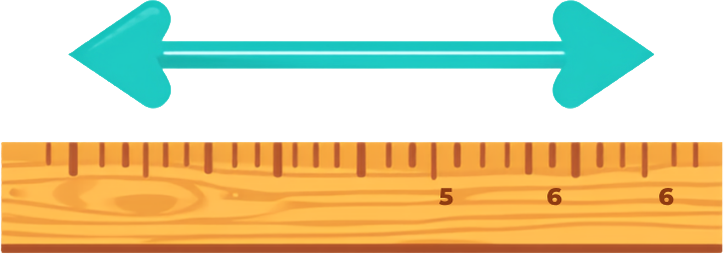
Welcome to the Math Lab! Before we begin, let’s remember some tools we use for measuring.
Can you match each tool with what it measures?
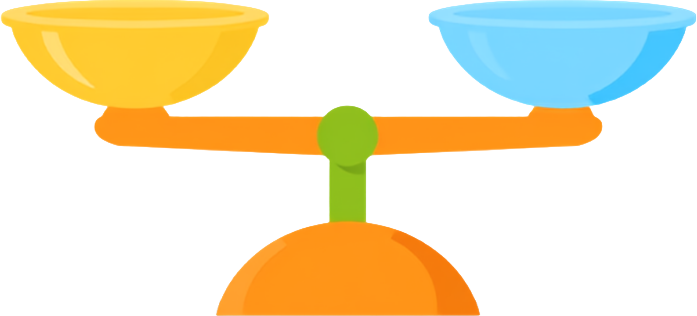
Length

Weight

Volume
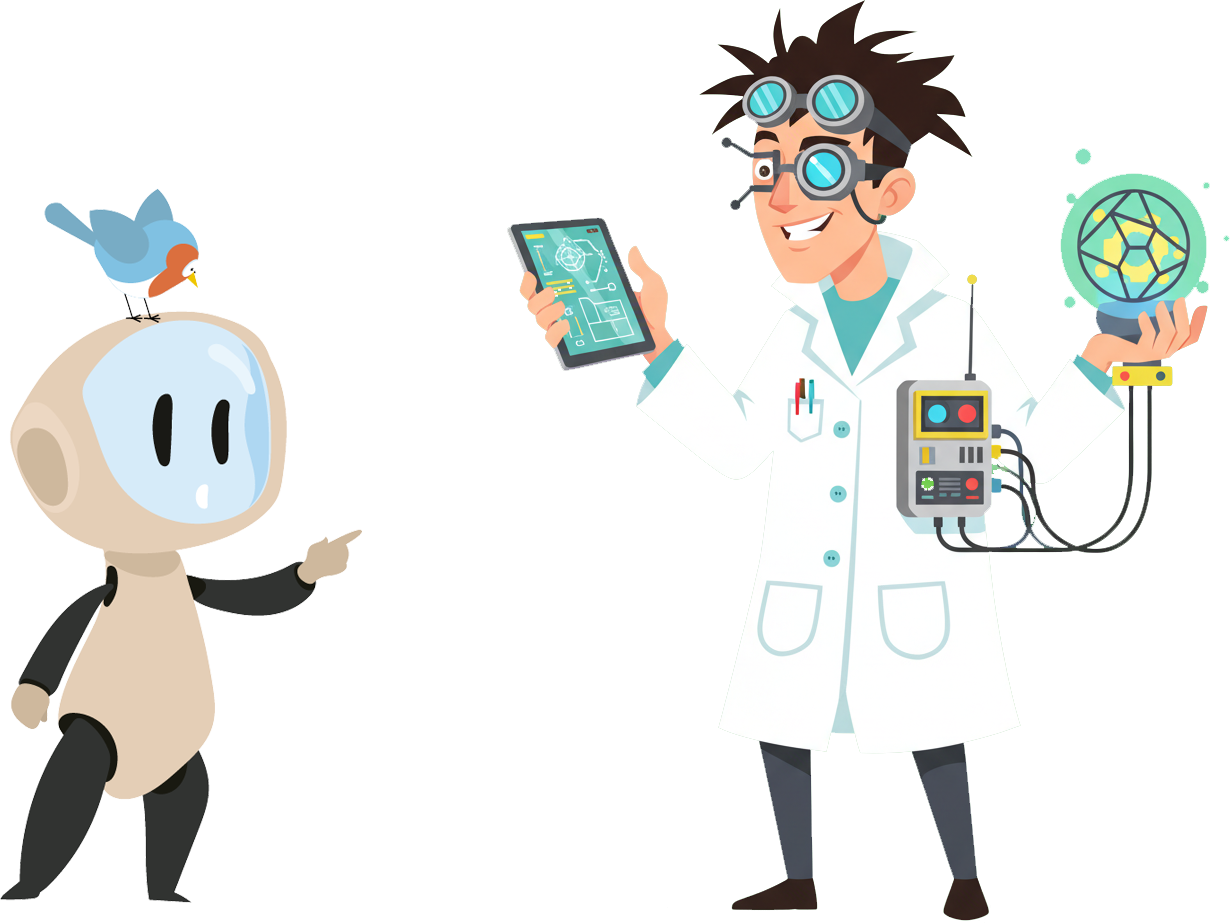
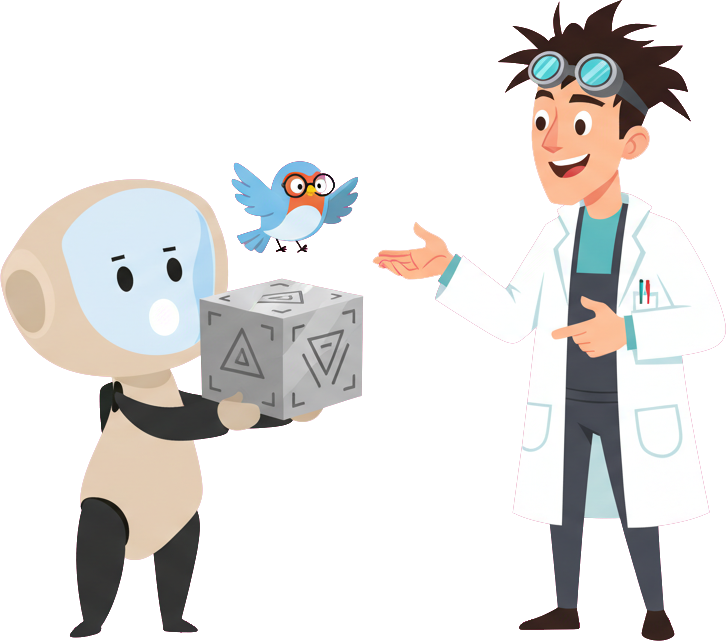
One sunny afternoon, Eli and I visited the Math Lab, a place full of colorful shapes, measuring tools, and intriguing puzzles. The space buzzed with possibilities, and at the center stood Professor Poki, a cheerful teacher with a knack for turning math into magic. “Welcome to the Math Lab!”
He said, waving excitedly. “Today, we’re going to explore volume!” I tilted my head curiously. “What’s volume?” I asked. Poki smiled. “Volume is how much space something takes up. And today, we’ll measure it in fun ways!” Eli perched carefully on my shoulder, “Understanding volume helps us measure and compare the world around us.”
Poki led us to a table filled with wooden blocks, measuring cups, and a large container of water. He picked up a small cube and explained, “Volume is the space an object fills. Let’s measure this block’s volume first.” I picked up the block, feeling its smooth edges. “How do we measure it?”

Eli nudged a ruler toward me with her beak. She said, “As far as I know, for regular shapes, we need to measure the length, width, and height, then multiply them. Am I right, Professor?”. Poki smiled, “You are totally right and it’s a practical approach to finding volume.”

I measured the block carefully. “It’s 2 cm long, 2 cm wide, and 2 cm high. Two times two times two is eight!” Poki clapped his hands. “Exactly! The volume of the cube is 8 cubic centimeters.” Eli gave a knowing nod, “And not all objects are as simple as a cube. What about irregular shapes, Professor?” Poki’s grin widened. “A wise question, Eli! Let’s find out using a different method.”
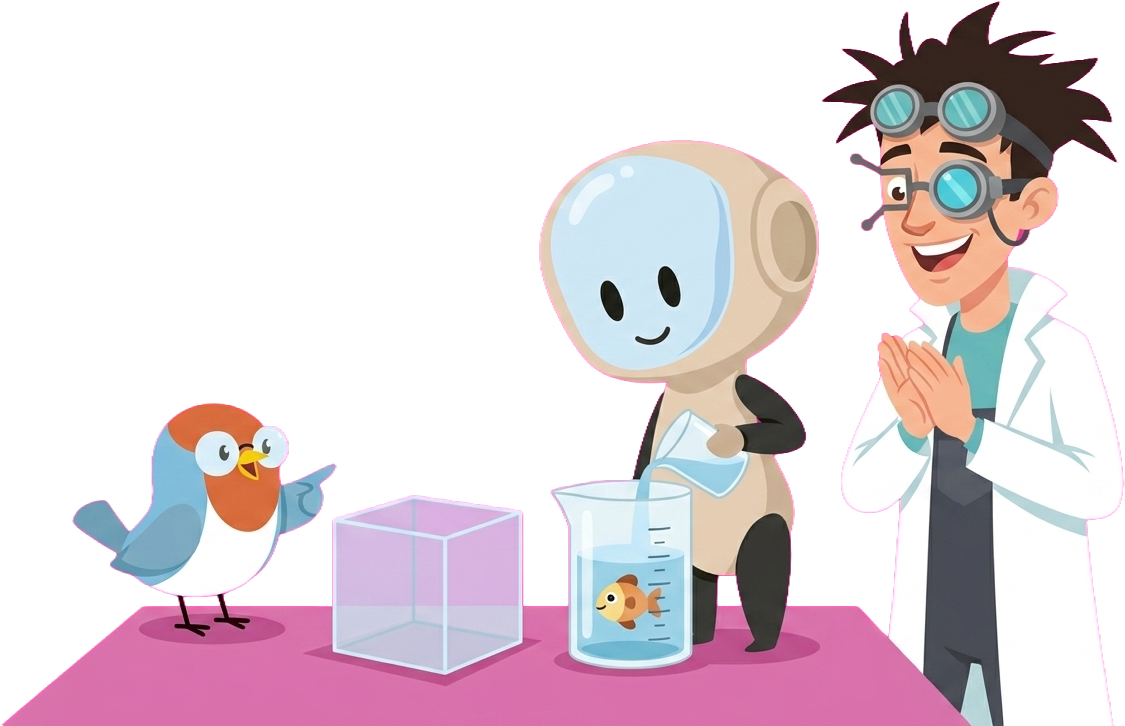

Poki handed me a small toy shaped like a fish and a measuring cup filled halfway with water. “Some objects don’t have straight edges,” he explained. “For those, we use water displacement.” I tilted my head and asked, “How does that work?”. Poki asked, “Eli, do you have any guess?” Eli fluttered closer, her voice full of insight. “When you place the toy in water, the amount of water it pushes aside is its volume. I remember this technique is called Archimedes’ principle.” Professor nodded, “Precisely. The more water it moves, the bigger its volume.”
I gently placed the toy in the water. The water rose from 100 milliliters to 130 milliliters. “That’s 30 milliliters!” I said, smiling. “So the fish’s volume is 30 cubic centimeters.” Eli chirped, “What happens if the object is too big for the cup?” In the meantime, eager for a bigger challenge, I grabbed a large, irregularly shaped rock. However, when I placed it into a bigger container of water, it overflowed, creating a mess. “Oh no!” I groaned. Poki chuckled. “Sometimes experiments don’t go as planned. “We’ll have to get creative!
Eli suggested, “Can we try using two smaller containers to split the measurement instead of one container, Professor?” Poki said, “Let’s try.” We carefully repeated the process, measuring the water displacement in both containers and adding the amounts together. “The volume is 200 cubic centimeters!” I said, relieved.
Poki nodded approvingly. “Great teamwork! Volume can be tricky to measure, but you figured it out.” Eli chirped happily, “Measuring is fun!” I grinned, “I like how volume helps us understand objects better.” Poki led us to another table with jars and liquids of different colors. He said, “Now let’s try measuring the volume of liquids”. I poured water into a jar marked with measurements. “This is 250 milliliters,” I said confidently. “That’s also 250 cubic centimeters!” Poki said, giving me a thumbs up.
As we cleaned up, Poki smiled and said, “You’ve both done a fantastic job exploring volume today. Whether it’s solids, liquids, or strange shapes, volume helps us understand the space things take up.” I beamed. “Math is more fun when we can see it in action! Technology are amazing!”
Eli flapped her wings. “Can we measure other things next time?” Poki nodded. “Math is everywhere, and there’s always more to discover!” We left the Math Lab with new knowledge and excitement, ready to measure the world around us.
Let’s test what you’ve learned about volume! Choose the correct answers to become a certified Volume Explorer.
Well done! Continue to the gate.