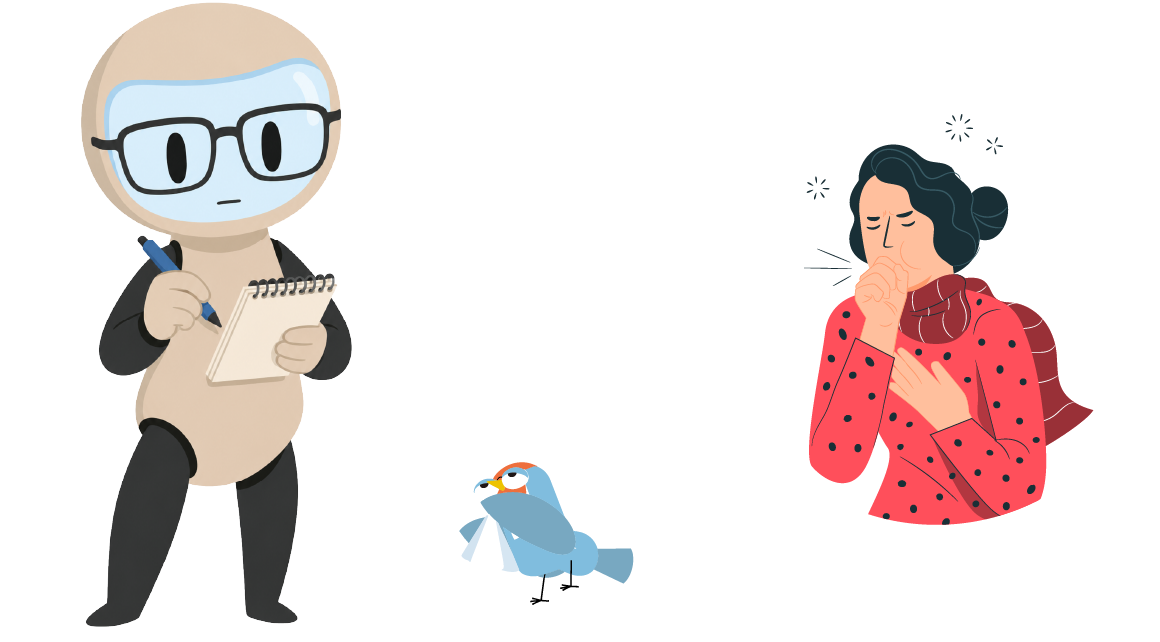
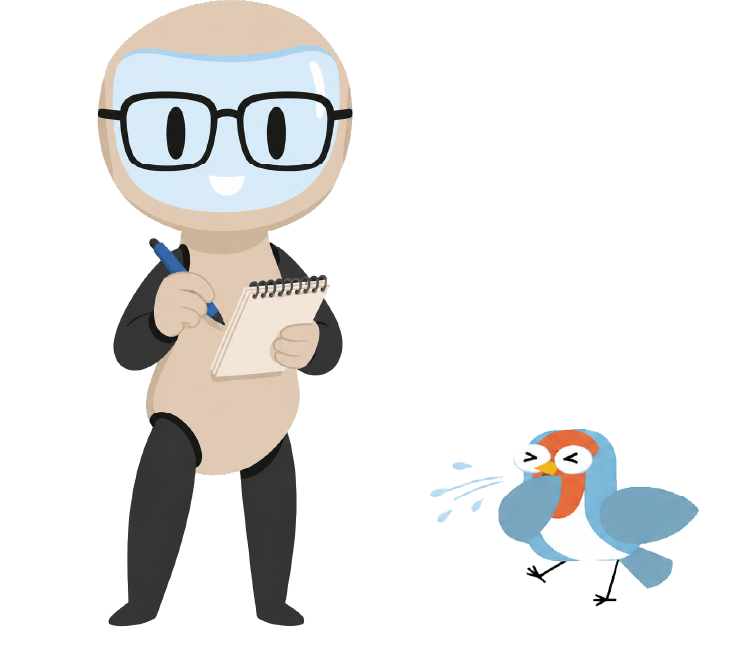
Match the symptom with the correct illness to open the story gate.
Cold
sneeze
Allergy
Sore throat
Flu
Runny nose
Itchy
Sneeze
Cough
Fever
Fever
Cough
Itchy
Sneeze
Runny nose
One bright morning, Eli and I were excited to play at the park. But something was not right
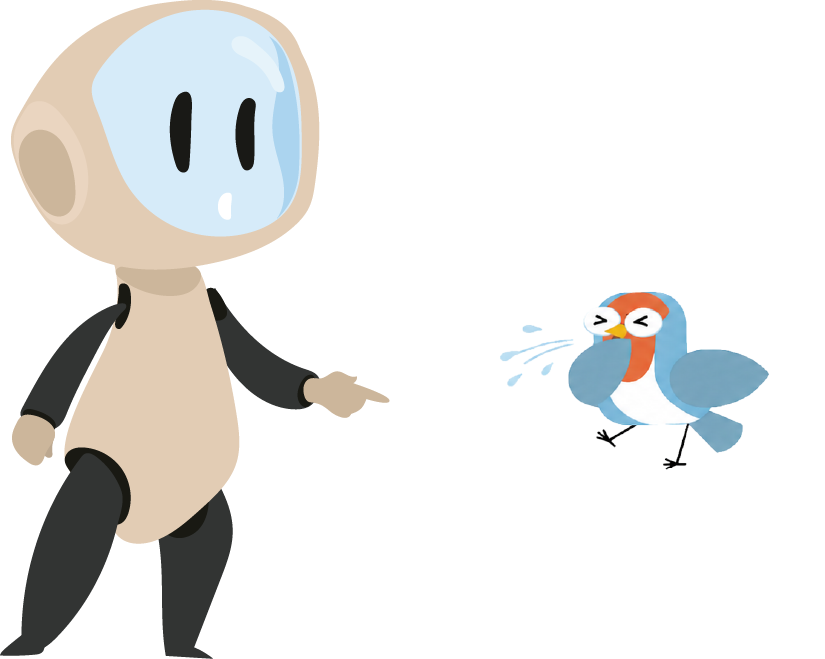
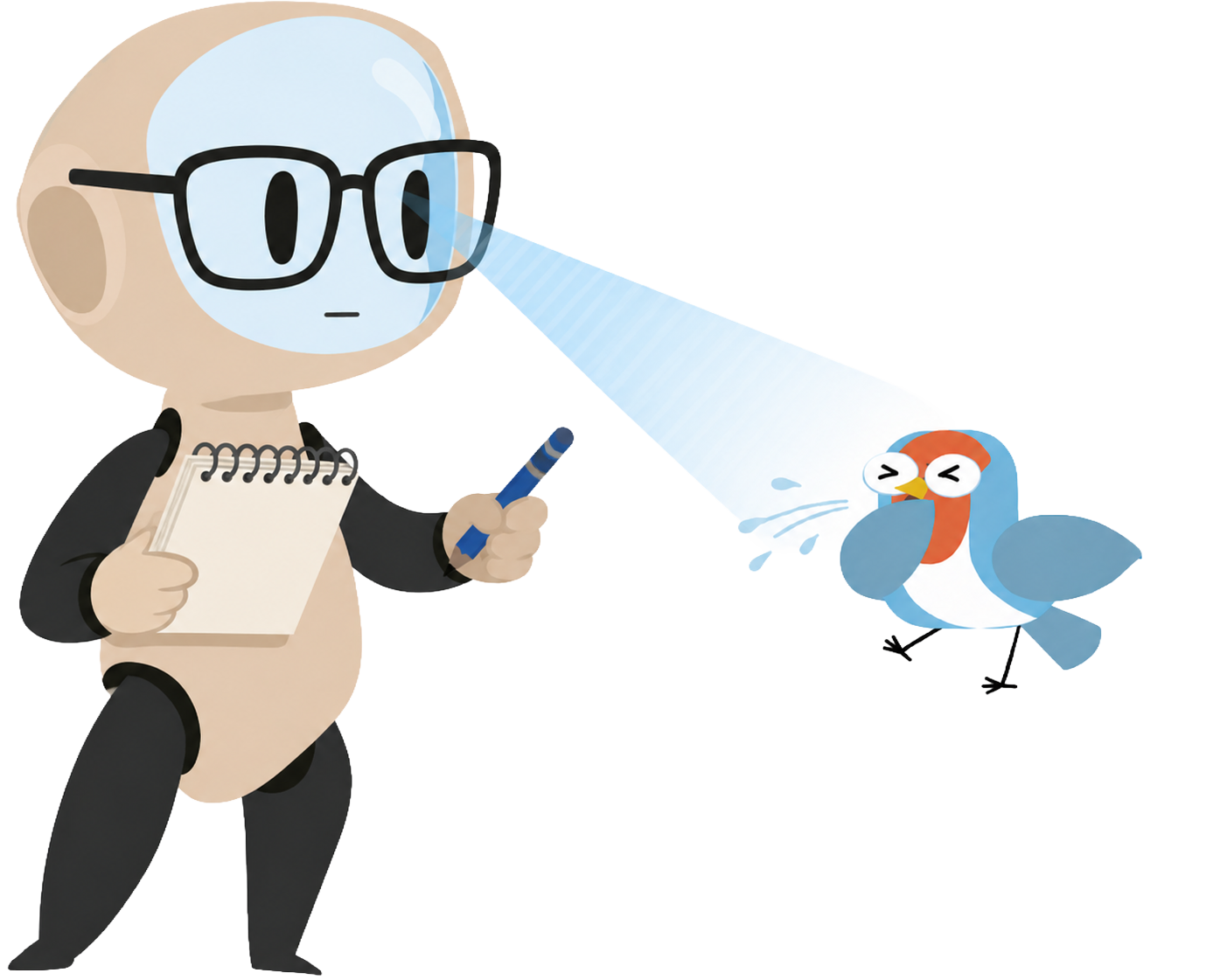
Eli was sneezing constantly and rubbing her eyes. Also, she looked exhausted.
I was concerned, and asked, “Are you okay, Eli. Your eyes are red, and you seem really tired.”
Eli sighed. “I’m not sure, but I don’t feel well. Do you remember when we looked through a microscope and saw those tiny bacteria and viruses? I think I’m sick again, but I don’t know what it is this time.”
Curious, I asked, “How can we figure out what it is?”
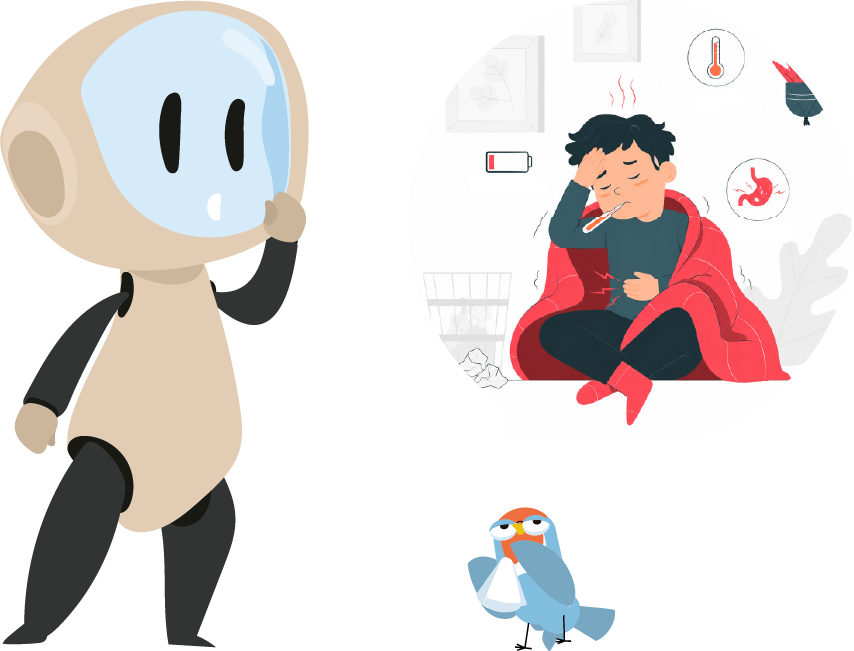
Eli explained, “Well, different illnesses come with different symptoms. For example, the flu makes you really tired, gives you a fever, and sometimes a stomachache.
But it’s tricky to know for sure. That’s why we need doctors—they can tell the difference.”
The next day, I returned to the park, equipped with my notes and a magnifying glass. “What symptoms do you have today, Eli?” I asked, ready to help.
“My nose is runny, and I feel itchy all over,” Eli reminded me, “You have a built-in thermometer; you can scan me.”
I scanned her and then smiled. “It sounds like you might have allergies, Eli! You should stay away from flowers and dust. But remember, it’s always best to check with a doctor.”
Eli asked, “What if I had a sore throat and cough?”
I looked through my notes again and said, “That could mean you have a cold. You’d need lots of rest, fluids, and of course, a doctor’s advice.”
I thought about everything I learned. It’s important to recognize symptoms. Whether it’s allergies, the flu, or a cold, understanding what your body is telling you is the first step.
But, the most important thing is to ask a doctor for help. They know how to make us feel better.