ZAPPING BALLOON

Let’s warm up our minds with a few fun questions. These questions help us think about rubbing, sticking, and feeling warm, just like what’s coming next!
Well done! Continue to the gate.
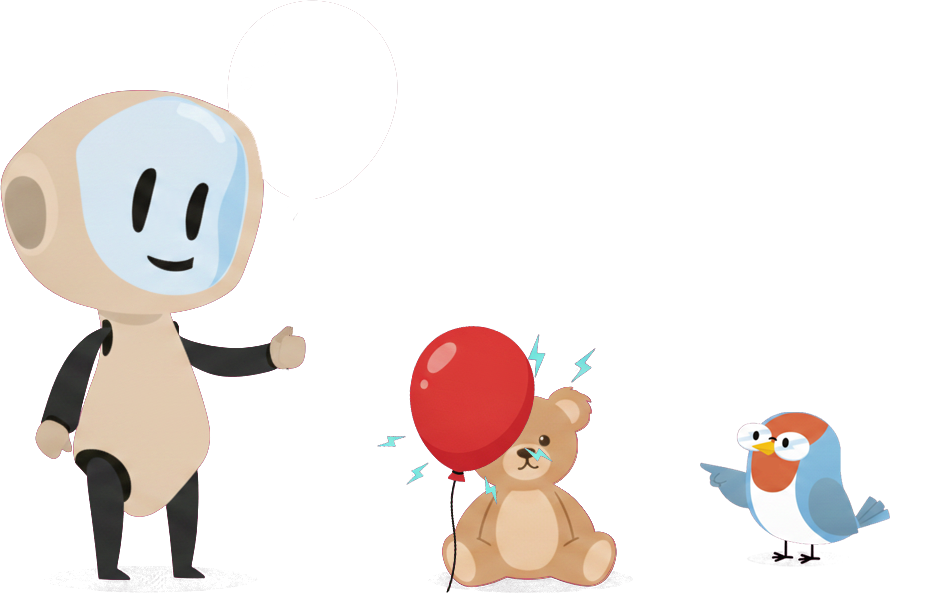
It was a peaceful afternoon, and we were lounging in the living room.

Eli, with her feathers flapping, said, “Riri, I’ve got an exciting idea for us today!”.

I tilted my head, intrigued. “What’s the idea, Eli?”.

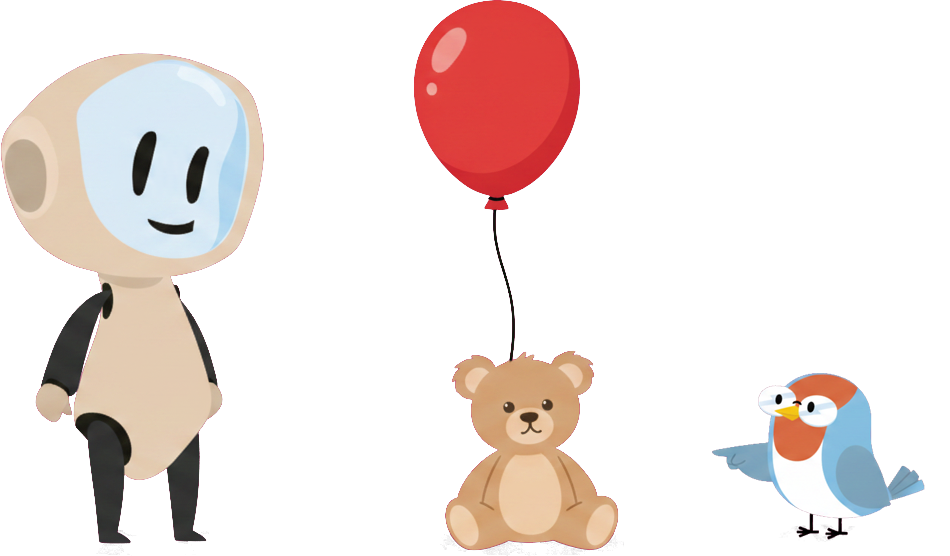
She gestured toward a soft teddy bear sitting nearby and said, “Let’s experiment with static electricity! Ever wondered what happens when we rub a balloon on a teddy bear’s fur?”.

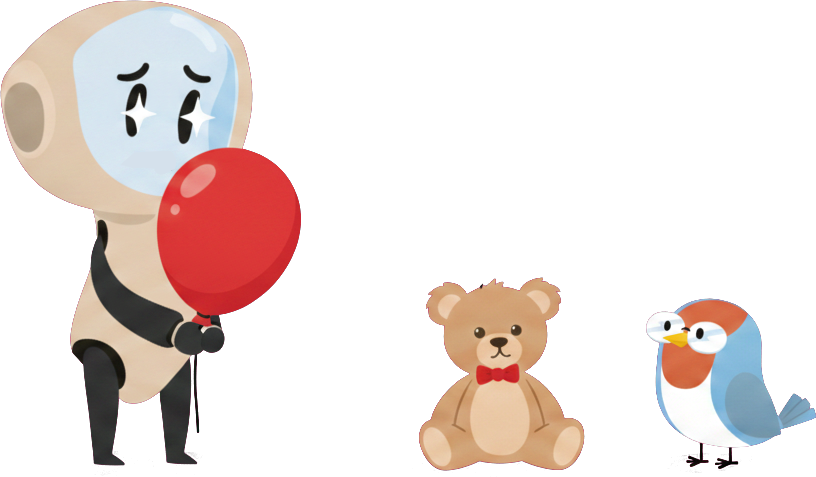
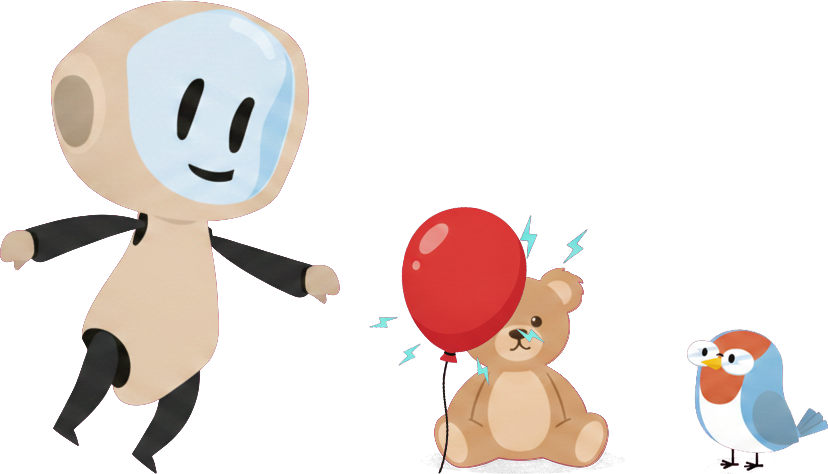
I glanced at the red balloon she handed me, feeling curious, “
What do we need to do?”.

Eli replied, “Simple. Just rub this balloon on the teddy bear and watch closely.”
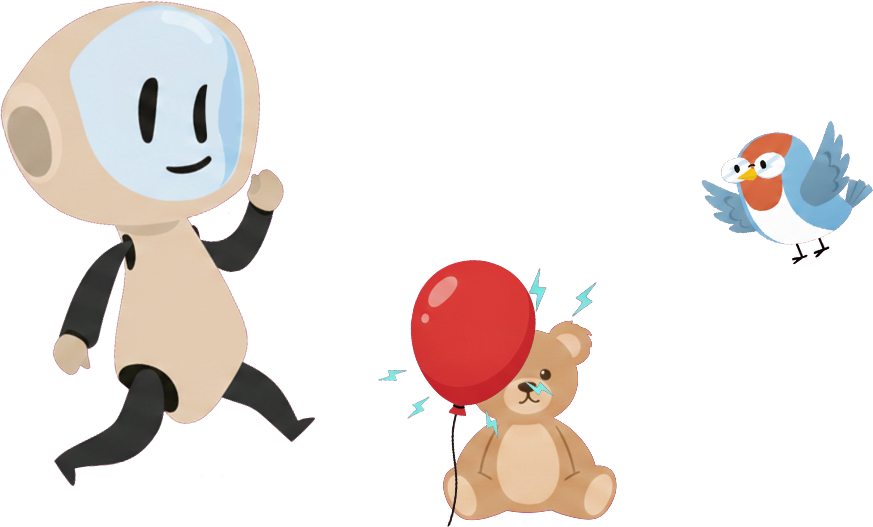
I took the balloon and started rubbing it against the teddy bear’s soft, fluffy fur. At first, nothing seemed out of the ordinary, but then something fascinating occurred. The balloon stuck to the teddy bear as if by magic. “Whoa, it’s sticking!” I exclaimed.

Eli flapped her wings proudly. “That’s right, Riri! This is where the fun begins. The friction between the balloon and the teddy bear’s fur is creating something interesting.”
I was still unsure. “But why is it sticking? What’s happening?”.
Eli explained, “when you rub the balloon on the fur, you’re creating friction. This friction warms up both the balloon and the fur, but there’s more to it.”
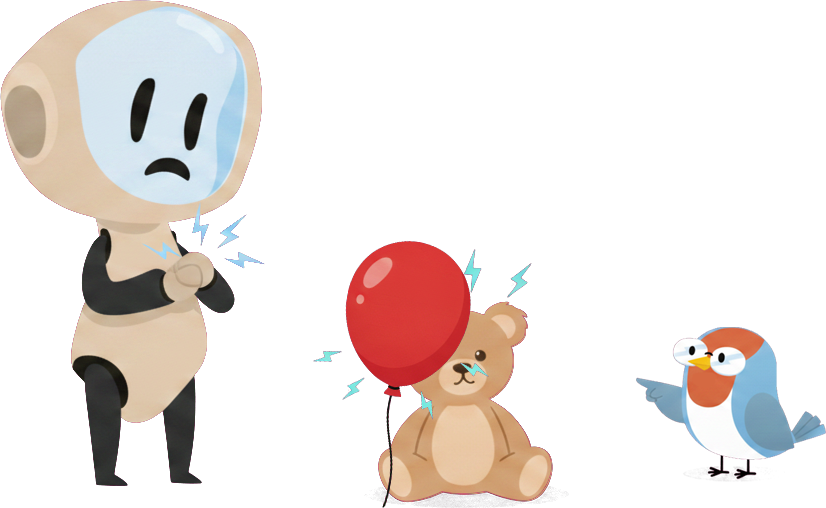
I touched the balloon again, feeling a sudden zap of energy. “Ouch! Why did the balloon zap me?”
Eli giggled. “That’s static electricity! When you rub things together, they build up electric charges. This can cause a small shock.”

I was fascinated, “So, the balloon sticks because of static electricity, and it gets warm because of friction?”

“Exactly!” Eli nodded. “Friction is what turns the mechanical energy from rubbing into heat energy. That is why you felt the warmth. And the zap? That’s just the static electricity saying hello!”
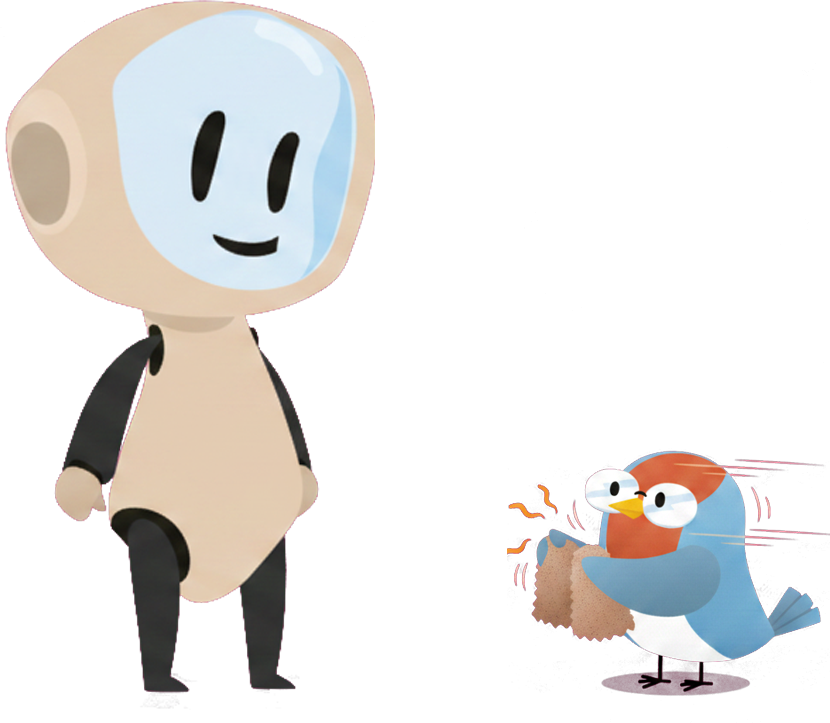
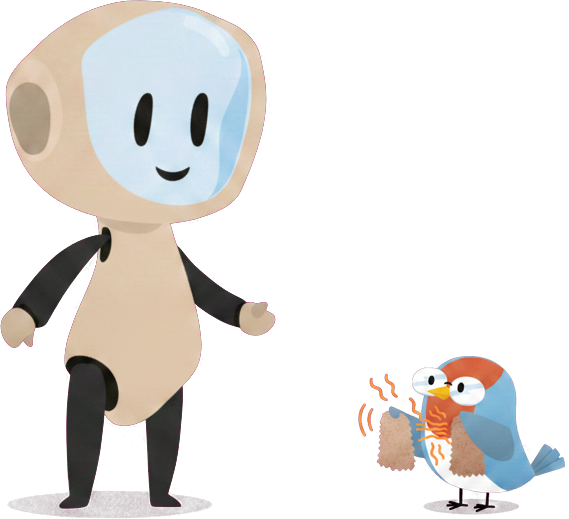
Then, Eli grabbed two rough pieces of cloth from the table. “Let’s try something new. Rubbing two materials together can create heat without the static shock.
Watch this.” She rubbed the two pieces of cloth together quickly. Eli held out the cloth. “Touch this.”
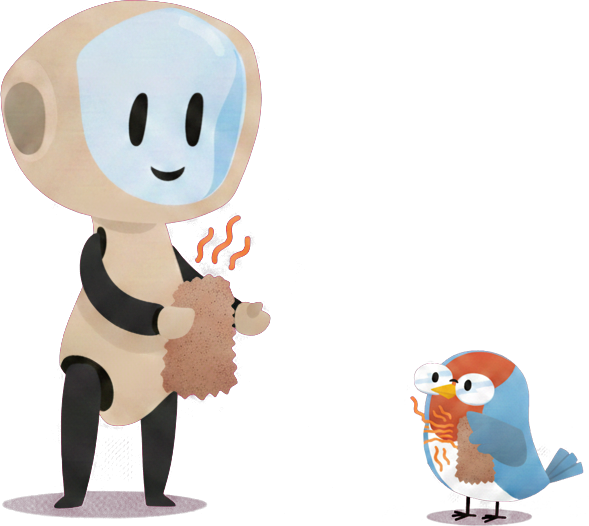
I reached out and touched the cloth, feeling the heat. “I can feel it! So, we can use friction to make heat without the zaps?”
“Exactly,” Eli beamed. “It’s the same principle that keeps your hands warm when you rub them together on a cold day.”
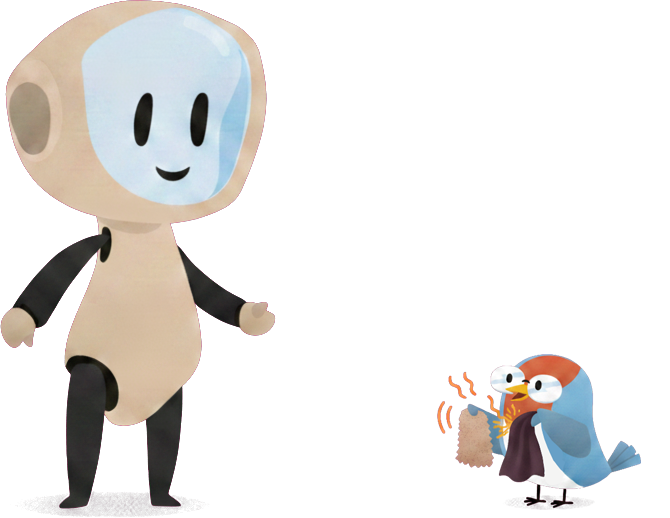
Eli then took a piece of sandpaper and rubbed it on the cloth. “Now, notice how rubbing different materials together creates different amounts of heat. The rougher the material, the more heat it generates.
I marvelled at the discovery. “So, we can control how much heat we make depending on what materials we use?”

“You got it!” Eli chirped. “Friction is a powerful way to understand how energy transforms. By controlling the amount of rubbing, you can generate just the right amount of heat.”

I said, “Now I understand how friction creates heat energy and static electricity!”, grinning from ear to ear.
Eli nodded, “Friction is one of the simplest ways to convert mechanical energy into heat. It’s everywhere in our daily lives, from warming our hands to making things move!”
Now that we’ve had a super science-filled story, let’s talk about what we learned.
Can you show how you rub your hands together to make them warm? 👐 Try it now. Feel the heat? That’s friction in action.